
~~~~~~~~~~~~~~~~~~~~~~~~~~~~~~~~~~~~~
I have always loved classical ballet. I took lessons as a youngster and still practice it daily. It's the most beautiful and complete art form. Although I did not have what it takes to be a decent ballerina, I loved ballet all the same. It's been an unrequited love, just as my love for physics.
I am no scientist and I could have never been one. I'm absolutely terrible at math. And I mean really, really terrible. But among all subjects for reading and study, physics has always been the true love of my life, especially quantum physics and astrophysics. The reason? Physics is full of wonder, and sometimes offers tentative answers to the Big Questions of Life and the Universe - questions we usually ask from religion and philosophy.
I am no scientist and I could have never been one. I'm absolutely terrible at math. And I mean really, really terrible. But among all subjects for reading and study, physics has always been the true love of my life, especially quantum physics and astrophysics. The reason? Physics is full of wonder, and sometimes offers tentative answers to the Big Questions of Life and the Universe - questions we usually ask from religion and philosophy.
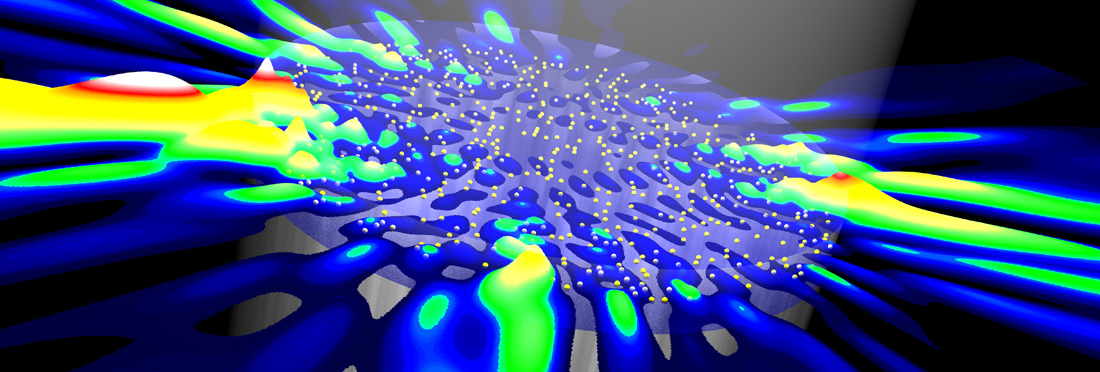 Physics is a lot cooler than religion because you can take pleasure learning about the mysteries of the universe with complete freedom to explore ideas, disagree, question, and imagine.
Britannica.com defines it like this: Physics, science that deals with the structure of matter and the interactions between the fundamental constituents of the observable universe. In the broadest sense, physics is concerned with all aspects of nature on both the macroscopic and submicroscopic levels.
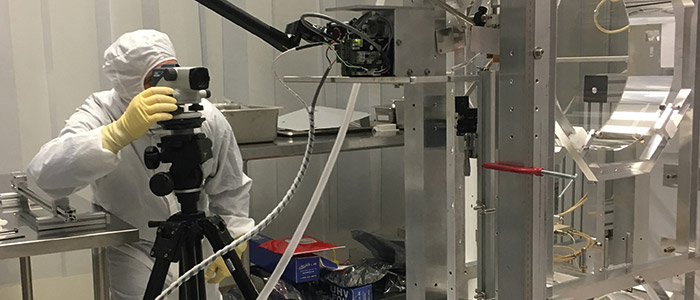 In one sentence, physics is about everything in physical reality. It is the attempt to learn and understand how matter and energy work, from tiny invisible particles to the entire universe, and the still mysterious dark matter and dark energy.
In science all answers are temporary, until the next discovery. Aside from efforts by intellectually dishonest and politically-correct academics to cement their own dogmas, there should not be any dogmas in science. Anything and everything should be open to question.
Now a little personal anecdote: Many years ago I came upon a passage in Beyond the Quantum by Michael Talbot, where the author explains the work of physicist Ilya Prigogine. It was physics, all right, but what I read was pure poetry. At the time I had some personal issues, and so I was touched by how I could see my own conflict symbolically reflected within a physics context.
Continue reading


