Pages

A universe of beauty, mystery and wonder

A universe of beauty, mystery and wonder
©http://ottersandsciencenews.blogspot.ca/ UNAUTHORIZED USE AND/OR DUPLICATION OF THIS BLOG'S MATERIAL IS STRICTLY PROHIBITED. EXCERPTS AND LINKS MAY BE USED, PROVIDED THAT FULL AND CLEAR CREDIT IS GIVEN TO OTTERS AND SCIENCE NEWS BLOGSPOT WITH APPROPRIATE AND SPECIFIC DIRECTION TO THE ORIGINAL CONTENT. --- THE FACTS AND OPINIONS POSTED ON THIS BLOG ARE HERE FOR INFORMATIONAL PURPOSE AND DO NOT NECESSARILY REFLECT THE VIEWS AND OPINIONS OF THIS BLOG'S ADMINISTRATOR.
Showing posts with label Food - Safety. Show all posts

Friday, August 26, 2016

ORGANIC FOOD IMPORTED FROM CHINA - THE SHOCKING TRUTH

©http://ottersandsciencenews.blogspot.ca/. Unauthorized duplication of this blog's material is prohibited.   Excerpts and links may be used, provided that full credit and link is given to Otters and Science News Blogspot.  Link to this post:  http://ottersandsciencenews.blogspot.ca/2016/08/organic-food-imported-from-china.html - Thank you for visiting my blog.
~~~~~~~~~~~~~~~~~~~~~~~~~~~~~~~~~~~~~~
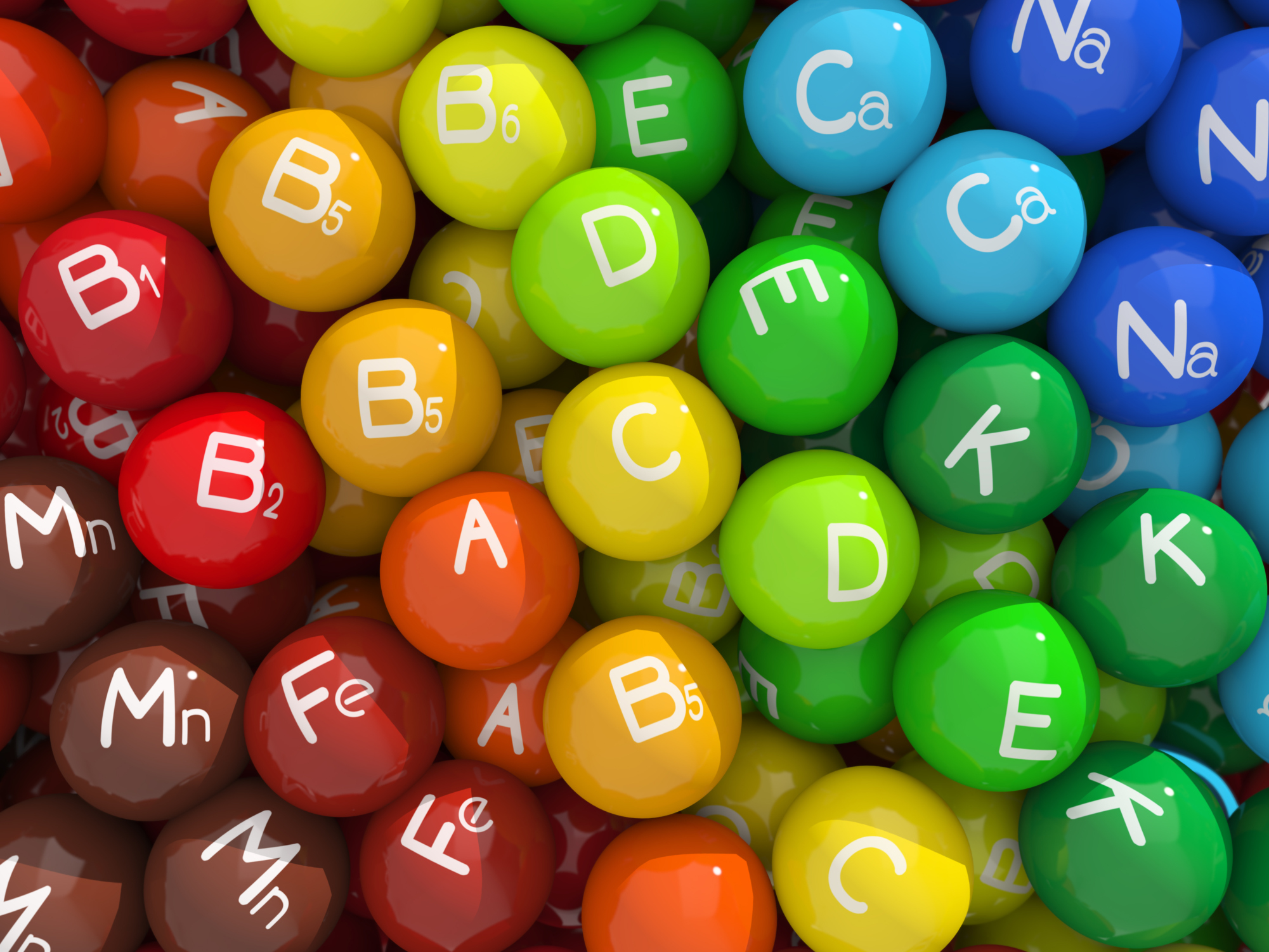
  • Did you know that almost ALL vitamins and dietary supplements sold in North America are manufactured in China? 
  • While vitamins are good for you, they may have been made in factories where standards are not as exacting as those in the US and Canada. 
  • We really do not know the true quality of the listed ingredients, or what else is there.  Your best bet is to get vitamins directly from the foods you eat. 
  • When Canadians ask for the origin of a particular food in the bulk section of their supermarket they will told that it comes from the United States.  Not exactly. 
  • If you do a little research on your own you will discover that, although it has been IMPORTED FROM the United States, it has been GROWN elsewhere. 
  • There are large food importing companies that buy products from China, Vietnam, India, and other Asian and African countries, and then resell them to food markets in the US and Canada.   
  • The label "organic" for Chinese food has to be taken on faith because that country does not allow western associations of organic products to check the conditions under which those foods are grown, irrigated, and harvested.  For all you know, they could be irrigated with river water downstream from heavily polluting manufacturing plants.   
  • Unfortunately, even when organic food is indeed grown in the United States, it may have been irrigated with toxic fracking water.  Read more about it here:  http://ottersandsciencenews.blogspot.ca/2016/08/toxic-fracking-water-is-used-to.html 

'Organic' from China exposed: The shocking truth about 'organic' foods grown in the world's worst environmental cesspool

By Mike Adams, Natural News


USDA organic standards place no limits on how much mercury, lead, cadmium, arsenic and aluminium is allowed in so-called “organic” products imported from China.

Even further, there is no limit on the contamination of PCBs, BPA and other synthetic chemicals that’s allowed in certified organic foods, superfoods and supplements.

At this point, you’re probably shaking your head in disbelief and thinking, “No, that can’t be true. Organic standards must check for heavy metals and chemical contamination, right?”
 
No! “Organic” certifies a process of how food is grown or produced. It certifies that the farmer doesn’t add pesticides, herbicides, petroleum-based fertilizer, metals or synthetic chemicals to the crop (among other things), and it certifies that the soil must be free from such things for a certain number of years before organic certification is approved.
 
But organic certification does nothing to address environmental sources of pollution such as chemtrails, contaminated irrigation water, and fallout from industrial or chemical factories that might be nearby.  A certified organic farmer can use polluted water on their crops and still have the crops labeled “organic.”
 
Continue reading

Saturday, August 13, 2016

TOXIC FRACKING WATER IS USED TO IRRIGATE ORGANIC and regular crops in California and other places - The practice is legal - This water contains carcinogenics and other toxic compounds - Government scientists admit they deceived the public about safety of fracking water for human consumption

©http://ottersandsciencenews.blogspot.ca/. Unauthorized duplication of this blog's material is prohibited.   Excerpts and links may be used, provided that full credit and link is given to Otters and Science News Blogspot.  Link to this post:  http://ottersandsciencenews.blogspot.ca/2016/08/toxic-fracking-water-is-used-to.html - Thank you for visiting my blog.
~~~~~~~~~~~~~~~~~~~~~~~~~~~~~~~~~~~~~~
I stopped buying foods imported from Asia in the mistaken belief that those produced in the USA, with its  higher regulation standards, would be much safer.  Not so.
 
On this page:
  • 350,000 people have asked California’s governor to halt the dangerous practice of irrigating crops with oil-contaminated wastewater from Chevron.
  • California is responsible for the majority of the U.S.’ produce, so what happens in the sunny state, happens everywhere.
  • Crops irrigated with contaminated fracking water include those labelled ORGANIC
  • Just a few of the known chemicals in oil wastewater can and do cause cancer, kidney failure, reproductive issues, and liver damage.
  • Samples of oil wastewater have been shown to contain harmful levels of oil, acetone, benzene and many other toxic compounds. According to the EPA, benzene is a known carcinogen.
  • Currently, neither state nor federal agencies are preventing oil and gas wastewater from being used for agriculture in California.
  • Shocker: Government scientists admit they deceived the public about fracking’s impact on drinking water.  
VIDEO - EP 2: WATER AND OIL

California — 350,000 people just asked California’s governor to halt the dangerous practice of irrigating crops with oil-contaminated wastewater from Chevron.
 
Continue reading and see more images and cartoons

Friday, November 27, 2015

STUDY: TABLE SALT CONTAMINATED BY PLASTIC MICROBEADS - Sea salt is the worst, but even lake and rock salt and well salt are contaminated by processing machinery - Fragments can penetrate cells and cause tissue damage - Plastic microbeads are also poisoning sea creatures, including the fish you eat

©http://ottersandsciencenews.blogspot.ca/. Unauthorized duplication of this blog's material is prohibited.   Excerpts and links may be used, provided that full credit and link is given to Otters and Science News Blogspot.  Link to this post:  http://ottersandsciencenews.blogspot.ca/2015/11/study-table-salt-contaminated-by.html - Thank you for visiting my blog.
~~~~~~~~~~~~~~~~~~~~~~~~~~~~~~~~~~~~~~
What the following article from the Daily Mail fails to mention is that the US, Britain, Russia, and other countries have been dumping RADIOACTIVE WASTE into the ocean for decades. 
 
Japan continues to flush highly contaminated nuclear waste from the damaged Fukushima nuclear reactor into the sea.  Ocean currents are spreading that poison all over the Pacific and beyond. 
 
Sea salt collected from the Mediterranean coast or the French Atlantic coast, among many other places, could be contaminated by radioactive particles as well.  See references at the end of this page.
~~~~~~~~~~~~~~~~~~~~~~~~~~~~~~~~~~~~~~~~~~~
 
The hidden PLASTIC lurking in your food: Hundreds of tiny micro beads have been found in sea salt - and we swallow 1,000 every year
  • Plastic particles polluting the oceans are found in sea salt for the first time 
  • Tiny beads are formed from waste plastic, facial scrubs and exfoliants 
  • Plastic beads are also found in rock salt processed in sea salt factories
  • Even well, lake, and rock salts are contaminated with plastic beads by processing machinery. 
  • Scientists also found a new type of sedimentary rock is forming from the plastic mixing with sand and other materials on beaches.
  • Some lab tests have shown that nano-sized plastic fragments can even enter cells and cause tissue damage. 
  • There is an ongoing campaign to BAN MICROBEADS from consumer products

  • Waste plastic in the oceans has reached such a level that it is even contaminating sea salt, according to American scientists. A stock image of workers collecting sea salt from the dry ponds in Thailand is shown
    Waste plastic in the oceans has reached such a level that it is even contaminating sea salt, according to American scientists. A stock image of workers collecting sea salt from the dry ponds in Thailand is shown
     
    Almost five million tons of plastic is thought to be dumped in the oceans every year and now the waste is even contaminating sea salt, scientists claim.
     
    Studying salt manufactured in China, the researchers discovered hundreds of microscopic plastic particles in every kilogram of salt.  This means the average consumer swallows around a thousand tiny plastic beads every year.

    Continue reading, and learn about campaign to ban microbeads

    Friday, July 10, 2015

    PRIONS THAT CAUSE CHRONIC WASTING DISEASE can pass from wild animals to plants - from plants to cows - from cows to humans - MAD COW DISEASE is also caused by prions and is blamed for ALZHEIMER'S disease among meat eaters

    PERPLEXED OTTER©http://ottersandsciencenews.blogspot.ca/. Unauthorized duplication of this blog's material is prohibited.   Excerpts and links may be used, provided that full credit and link is given to Otters and Science News Blogspot.  Link to this post:  http://ottersandsciencenews.blogspot.ca/2015/07/prions-that-cause-chronic-wasting.html - Thank you for visiting my blog.
    ~~~~~~~~~~~~~~~~~~~~~~~~~~~~~~~~~~~~~~

    KEY POINTS
      grazing cows
    • Chronic wasting disease is a prion disease of cervids (deer, elk, moose) and humans.
    • Animals leave prion-contaminated feces and urine on the grass.
    • Plants can take up prions from the soil and transmit them to grazing animals.
    • Cows can get contaminated with prions from the grass they eat, and then pass it on to humans.
    • Studies show that prions can bind to plants and be taken into the roots, where they may travel to the stem and leaves.
    • Neither washing nor cooking plants will eliminate the contamination.
    • Just as cooking contaminated beef did not halt the spread of bovine spongiform encephalopathy (mad cow disease), another prion-caused disease
    • Keeping cervids out of grazing or growing fields could help mitigate the contamination.
    • Prions have been held responsible for a number of degenerative brain diseases, including mad cow disease, Creutzfeldt-Jakob disease, fatal familial insomnia, kuru, and an unusual form of hereditary dementia known as Gertsmann-Straeussler-Scheinker disease.
    ~~~~~~~~~~~~~~~~~~~~

    Virology Blog - Chronic wasting disease is a prion disease of cervids (deer, elk, moose) that is potentially a threat to human health.

    A role for environmental prion contamination in transmission is supported by the finding that plants can take up prions from the soil and transmit them to animals.

    prions in plants
    A concern is that prions of chronic wasting disease could be transmitted to cows grazing in pastures contaminated by cervids.

    Consumption of infected cows would then pass the disease on to humans.

    When deer are fed prions they excrete them in the feces before developing clinical signs of infection, and prions can also be detected in deer saliva.

    In the laboratory, brain homogenates from infected deer can transmit the disease to cows.

    To determine whether prions can enter plants, wheat grass roots and leaves were exposed to brain homogenates from hamsters that had died of prion disease.
     
    Continue reading

    Monday, October 13, 2014

    DANGEROUS PATHOGENS AND INDUSTRIAL WASTE GET INTO YOUR FOOD VIA SEWAGE SLUDGE USED AS FARM FERTILIZER - Partial treatment does not destroy dangerous pathogens and heavy metals.

    It is estimated that approximately half of treated sewage sludge – about seven million dry tons per year – is applied to farm fields as fertilizer.   Also known as "biosolids," it is often provided to farmers for free.   While it may be an environmentally sound example of recycling, in many cases it’s merely relocating pathogens rather than disposing of them.

     
    The Real Dirt on Sewage Sludge
     
    By Wendy PriesnitzNatural Life's editor and author of twelve books.
    This article won an Outstanding Media Contribution Award from the Recycling Council of Ontario.

    Hold your nose! Waste from households and industries treated at a sewage plant may be spread on a farmer's field near you. Unfortunately, it may contain heavy metals and other nasty surprises that could end up on your dinner plate.
    sewage sludge renamed as biosolids for fertilizer is dangerous
    Photo US Fish and Wildlife Service
     
    The safe disposal of hazardous waste has been a challenge for both industry and governments for decades. Under increasing assault by environmental groups for dumping waste into landfills, oceans, rivers and lakes, or burning it in incinerators, corporations and governments seem to have agreed upon a new solution.
     
    They rename the waste as fertilizer or dust suppressant and spread it on farmers’ fields and country roads. The code word for this practice is “beneficial use”. While it may be an environmentally sound example of recycling, in many cases it’s merely relocating pathogens rather than disposing of them.
     
    Although many different industries are “recycling” their toxic waste in this manner, one of the most controversial substances is sewage sludge, which is widely used as a soil amendment by farmers in both the United States and Canada.

    Sewage Sludge By Any Other Name

    Sludge is the mud-like material that remains after treatment of the wastes that flow into local sewage treatment plants. In the U.S., it is estimated that approximately half of treated sewage sludge – about seven million dry tons per year – is applied to farm fields as fertilizer. In many cases, it is provided to farmers for free.
     
    If human wastes were the only thing entering the sewage treatment plants, then sewage sludge would be a relatively safe, nutrient-rich fertilizer that could be safely used in this manner. However, sewage treatment plants also inevitably receive industrial and household toxic wastes.
     
    In a November, 1990 edition of the United States Federal Register, the Environmental Protection Agency (EPA) had this to say of sewage sludge:
     
    “Typically, these constituents may include volatiles, organic solids, nutrients, disease-causing pathogenic organisms (bacteria, viruses, etc.), heavy metals and inorganic ions, and toxic organic chemicals from industrial wastes, household chemicals and pesticides.”
     
    In fact, there are thousands of substances that can be found in typical sewage sludge, including any of the 100,000 or so chemicals produced and used in industrialized nations, many of which illegally end up in the sewers. Anything that is dumped into a sewer – and that is removed from water by the treatment process – becomes sludge.

    Wednesday, September 17, 2014

    THE FOOD INDUSTRY IS FEEDING YOU NANOPARTICLES - Studies indicate possible harmful effects on your health

    Main points followed by articles:
    • Nanotechnology and nanoparticles have been around for quite some time. In fact, consumers have been eating nanoparticles for years without being aware they are in their food.
    • (setixela/Thinkstock)
       Illustration - setixela/Thinkstock - Epoch Times
      In essence, nanotechnology revolves around the engineering and manipulation of particles at an incredibly small scale. Nanoparticles are measured in billionths of one meter.
    • Nanoparticles keep food fresh longer, and are often used to thicken and color processed foods.
    • Some varieties of Dentyne gum and Jell-O, M&M’s, Betty Crocker Whipped Cream Frosting, Kool-Aid, Pop-Tarts, you name it, contain them. Even food packaging such as plastic containers and beer bottles have nanoparticles.
    • Nanoparticles can also be used to deliver vaccines, treat tumours, clean up oil spills, protect skin from sun and kill bacteria.
    • Because labelling and disclosure are not required for food and beverage products containing them, it’s difficult to determine how widespread their use is.
    • Studies show nanoparticles can harm human health and the environment.
    • They can damage lungs and cause symptoms such as rashes and nasal congestion, and we don’t yet know about long-term effects.  
    • Their minute size means they’re “more likely than larger particles to enter cells, tissues and organs” and “can be more chemically reactive and more bioactive than larger particles of the same chemicals,” Friends of the Earth says.
    • A Cornell University study found nanoparticle exposure changed the structure of intestinal-wall lining in chickens. 
    • Like pesticides, they also bioaccumulate.
    • Those that end up in water – from cosmetics, toothpaste, clothing and more – concentrate and become magnified as they move up the food chain.
    • And in one experiment, silver nanoparticles in wastewater runoff killed a third of exposed plants and microbes, according to a CBC online article.
    Read articles here:

    Thursday, July 3, 2014

    WOOD PULP IN YOUR BURGER, CHEESE, FRIES, AND OTHER FOODS? - YES, it's added under "powdered cellulose" and other aliases - It does not add to taste, but to profits

    American Hamburger

    Let’s go ahead and assume that wood pulp is a safe thing to consume, it certainly seems to have no nutritional value whatsoever.
     
    So why are companies inserting it into food items? To mask inflation and earn more profits most likely.
     
    From a Quartz article quoted by Zero Hedge:
     
    There may be more fiber in your food than you realized. Burger King, McDonald’s and other fast food companies list in the ingredients of several of their foods, microcrystalline cellulose (MCC) or “powdered cellulose” as components of their menu items. Or, in plain English, wood pulp.

    Thursday, April 3, 2014

    TERRIFYING BLAST WAS ONLY A CAN OF BEANS EXPLODING IN THE KITCHEN

    We've bean hit! Terrified couple woken by huge blast feared bomb had gone off in their home…only to discover tin of beans has exploded
    • Ben Leo and girlfriend Rhian Wade were rocked from their sleep by the bang
    • They thought a bomb had gone off but could not find the source of the noise
    • The next day, Mr Leo discovered a can of Lidl-bought beans had exploded
    • The budget supermarket says it will launch an investigation into the can
    Read more and see pictures -
    http://www.dailymail.co.uk/news/article-2596046/Couple-woken-tin-beans-explodes-kitchen-cupboard.html

    ******************************************************************************